You picked up a brush, stood in front of a blank page, and had no idea where to start. Sound familiar?
Art can feel that way sometimes, especially when there are so many paint types out there. Gouache is one of those paints that many people have heard of but never really understood.
What makes it different? Who uses it? Is it the right choice for you?
If you have ever been curious about what gouache paint is and how gouache painting actually works, all your questions will have clear, simple answers here.
What is Gouache Paint?
Gouache paint is a water-based paint made with pigment, water, and a binder. It looks and feels similar to watercolor, but it is much thicker and more opaque. This means it covers the surface fully and dries to a smooth, flat, matte finish.
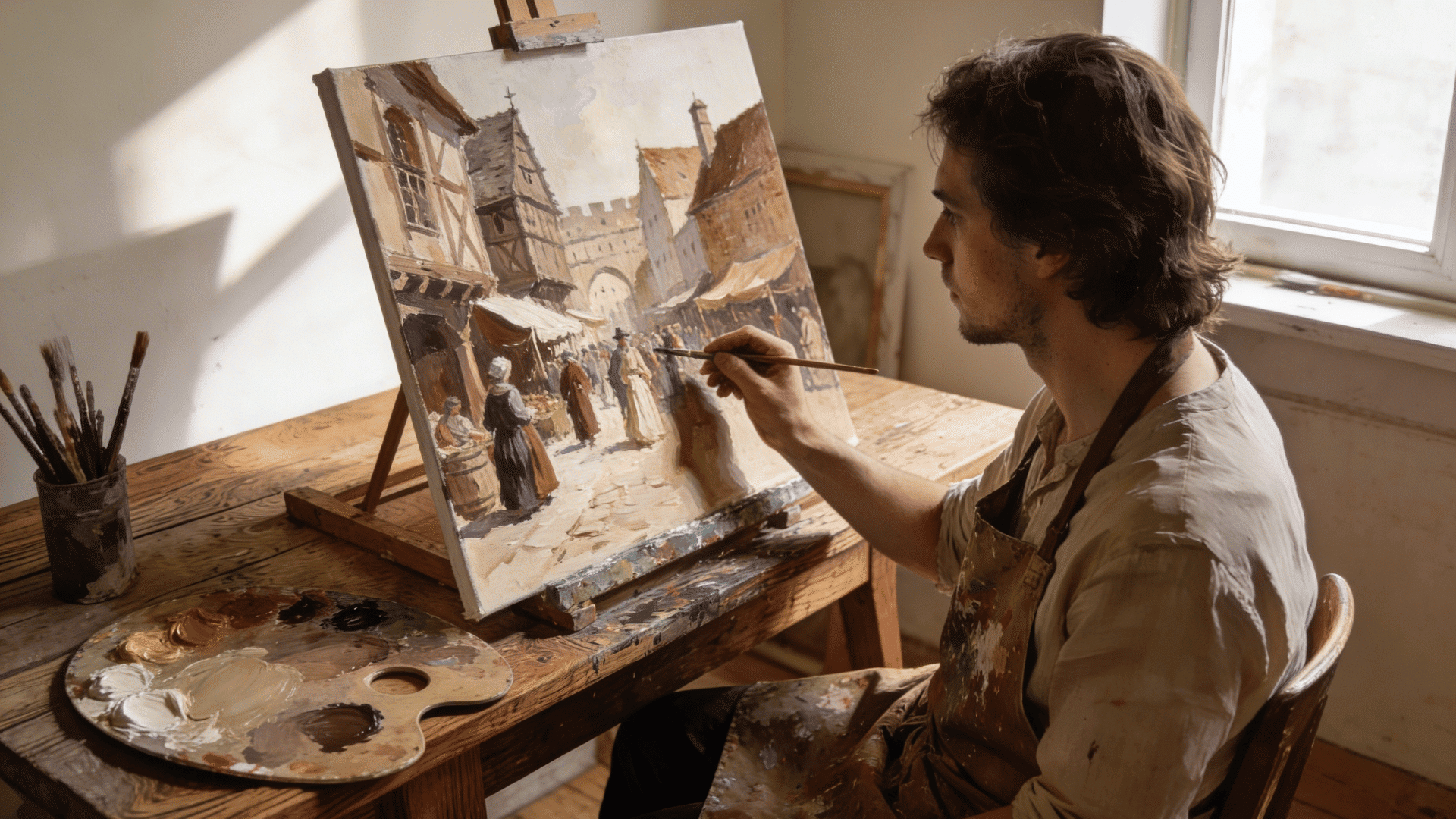
Artists have used gouache for a long time. Illustrators, graphic designers, and fine artists all reach for it when they need solid, clean colors. It has been widely used for posters, comic art, and design work because it holds bold color well.
If you are just starting out, gouache painting is a great choice. It is easy to control, and if you make a mistake, you can paint right over it once it dries. It also works well on regular paper, so you do not need anything fancy to get started.
What Gouache Paint is Made Of
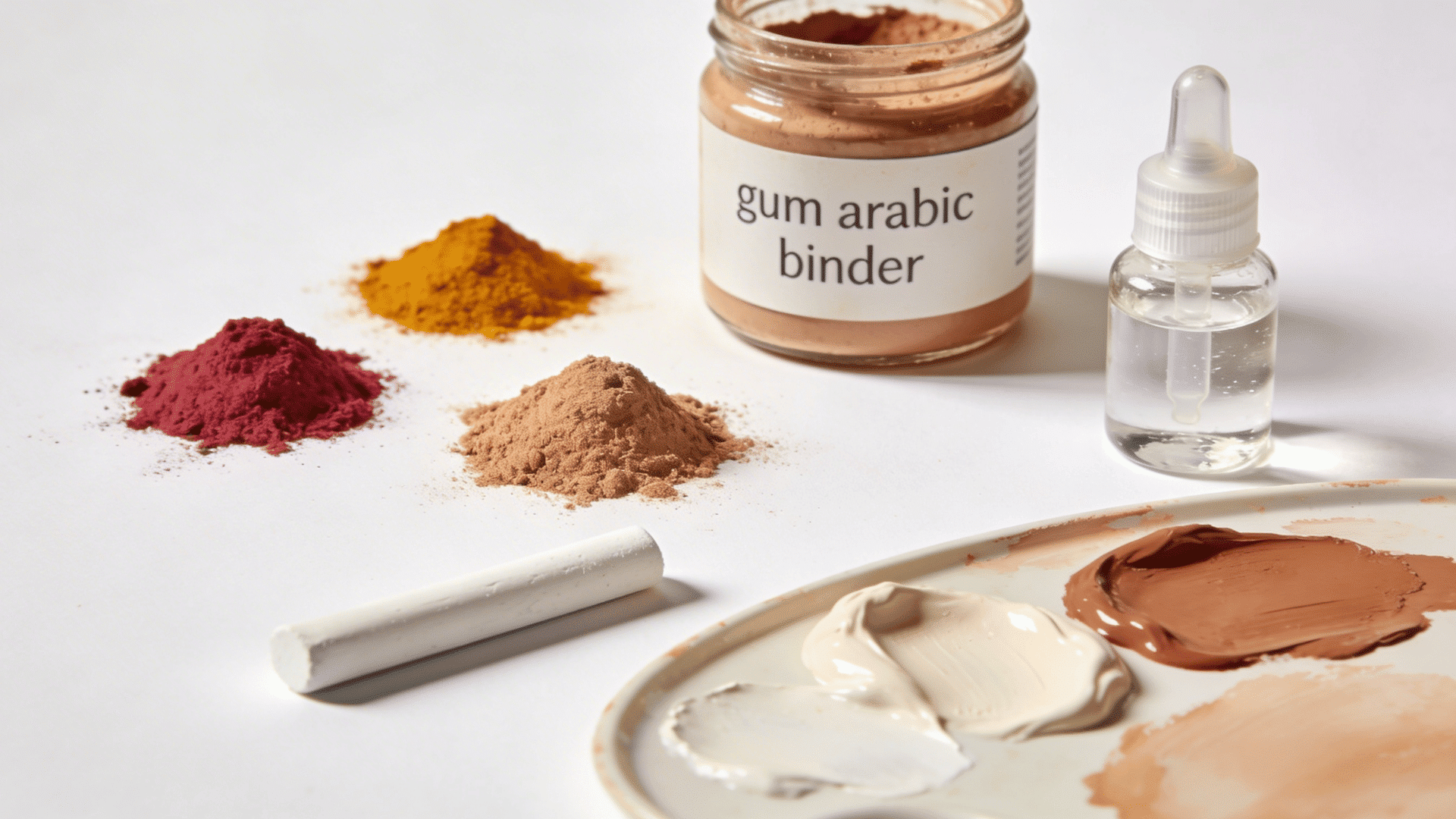
Gouache is a versatile and vibrant paint with a simple ingredient list, perfect for creating bold, opaque art. Here’s a quick breakdown of its main ingredients:
| Ingredient | Purpose |
|---|---|
| Pigment | Gives color, can be natural or synthetic |
| Binder (Gum Arabic) | Holds pigment together, helps paint adhere |
| Water | Makes the paint smooth and spreadable |
| Chalk/White Filler | Adds opacity and a flat finish |
Key Characteristics of Gouache Paint
Gouache has some qualities that make it stand out from other paints. Here are the key characteristics that every beginner should know before getting started.
1. Opacity
Gouache is known for being highly opaque, meaning it fully and cleanly covers what is underneath.
- Covers underlying layers fully: You can apply a new layer on top without the old one showing through.
- Paint light colors over dark colors: Unlike watercolor, you can go from dark to light with ease.
- Less transparent than watercolor: Gouache gives you solid, bold color rather than a see-through wash.
2. Matte Finish
One of the most loved qualities of gouache painting is the flat, matte finish it leaves behind.
- Dries without shine: The surface stays flat and non-glossy once the paint dries.
- Reduces glare in photos and scans: Your artwork looks clean and clear, with no unwanted reflections.
- Great for design and illustration: The flat finish makes it a top choice for professional design work and print projects.
3. Reactivates with Water
Gouache does not fully dry and set in place, and that is actually a good thing for beginners.
- Dried paint can be rewetted: A little water brings the paint back to life, even after it has dried.
- Easy to blend even after drying: You can go back and soften edges or mix colors without starting over.
- Allows small corrections: Made a small mistake? A damp brush can help you fix it quickly.
4. Fast Drying Time
Gouache dries much faster than many other paints, which makes it a practical option for artists who like to work at a steady pace.
- Dries quicker than acrylic: You spend less time waiting and more time actually painting.
- Let’s you build layers fast: Since each coat dries quickly, you can add the next layer without a long wait.
- Helpful for beginners who want quick results: Fast drying keeps your workflow smooth and frustration low.
Gouache vs. Watercolor vs. Acrylic
Gouache, watercolor, and acrylic are all popular paint types, but they each work differently. Here is a quick side-by-side look to help you see the difference clearly.
| Feature | Gouache | Watercolor | Acrylic |
|---|---|---|---|
| Opacity | Opaque | Transparent | Opaque |
| Finish | Matte | Slight glow | Slight shine |
| Reactivates with water | Yes | Yes | No |
| Drying Time | Fast | Fast | Medium |
| Ease of correction | Easy | Medium | Hard |
| Surface type | Paper, board | Paper | Canvas, wood, many surfaces |
| Beginner friendly | Yes | Yes | Yes |
When to Choose Gouache?
Gouache might be a good choice for you if the following points match your needs:
- You want solid, flat color that fully covers the page without looking faded
- You want easy corrections and the option to paint over mistakes once dry
- You prefer a smooth, non-shiny finish that looks clean in photos and print
- You are a beginner and want a paint that feels easy to control
- You create illustrations, posters, or design work that need bold, even color
Types of Gouache Paint
Not all gouache paint is the same. Depending on what you want to create, there is a specific type that will work best for you. Here is a simple breakdown of the three main types.
1. Artist Gouache
Artist gouache is made for those who want the best color quality. It has a high pigment level, which means the colors come out stronger and cleaner.
There is less filler in the mix, so the paint feels richer and more true to its shade. If you are serious about your art and want results that look polished and professional, artist gouache is the right pick.
2. Designer Gouache
Designer gouache is built for bold, flat color. It is extra opaque, so it covers surfaces evenly with very little effort.
The finish is smooth and completely flat, making it a go-to choice for posters, illustrations, and any design work that needs clean, solid color. If your work is more commercial or print-focused, this type of gouache painting will give you exactly what you need.
3. Acrylic Gouache
Acrylic gouache gives you the same flat, matte look as regular gouache, but with one big difference: it dries faster. Once it dries, it does not reactivate with water.
That makes it much more permanent and water-resistant. It is a good option if you want your finished artwork to last longer or if you are working on surfaces that may come in contact with moisture.
Surfaces Gouache Works Best On
Gouache is not picky, but some surfaces give you much better results than others. Here is what works well.
- Watercolor Paper is the top choice for gouache painting. It is thick enough to handle water without warping and gives the paint a smooth, even finish.
- Sketchbooks work well, too, as long as the pages are thick enough. Look for sketchbooks with at least 150gsm paper.
- Canvas can be used, but gouache may crack on it over time since canvas has too much give. It is not the most reliable option.
- Wood panels are a solid surface that holds gouache well, especially when primed beforehand.
How to Start Gouache Painting?
Starting with gouache is easier than you think. Just follow these simple steps, and you will be ready to paint in no time.
Step 1: Prepare Your Workspace
Start by preparing your workspace properly. Tape your paper to a flat board to prevent warping while painting. Keep a cup of clean water and a dry towel nearby for quick cleaning and blotting.
Squeeze out small amounts of paint at a time so you don’t waste materials or let paint dry out.
Step 2: Mix Your Colors
Next, mix your colors carefully. Add small drops of water to the paint, making sure not to thin it too much. Stir until the texture feels smooth and creamy, similar to yogurt.
Before applying it to your artwork, always test the color on scrap paper to check the shade and consistency.
Step 3: Apply the First Layer
When applying the first layer, use smooth and even brush strokes across the surface.
Avoid brushing over the same area repeatedly while it’s still wet, as this can create uneven patches. Allow each layer to dry completely before adding another coat for the best results.
Step 4: Add Details
Finally, add details with a smaller brush for fine lines and tight areas. You can layer lighter colors over darker ones once the base has dried.
If you make a mistake, don’t worry – let it dry fully and simply paint over it to fix the area cleanly.
Common Beginner Mistakes to Avoid
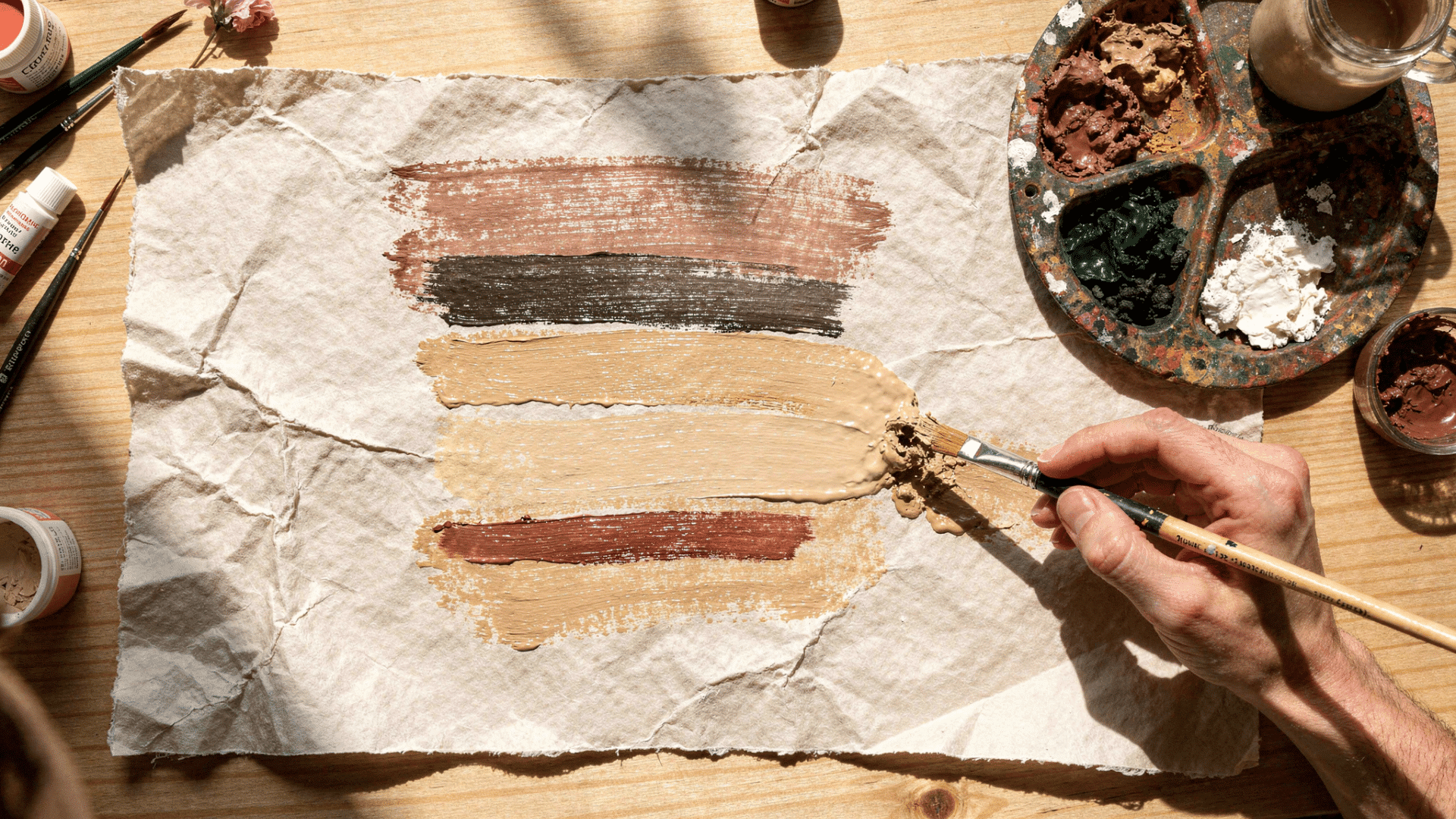
Every beginner makes a few mistakes along the way, and that is completely normal. Here are the most common ones to watch out for.
- Adding too much water: Too much water makes the paint thin and streaky, losing that solid, flat look gouache is known for.
- Using thin paper: Thin or regular printer paper tends to warp and buckle when wet. Use thicker paper for better results.
- Overmixing colors: Mixing too many colors together creates muddy, dull tones that are hard to fix.
- Not waiting for layers to dry: Painting over a wet layer can lift the paint underneath and ruin your work.
- Squeezing out too much paint: Gouache dries out fast on the palette. Squeeze small amounts at a time to avoid wasting paint.
- Using the wrong brush: Rough or low-quality brushes leave unwanted marks on the surface. A smooth, soft brush gives you much cleaner results.
Final Thought
Gouache is one of those paints that surprises you once you actually try it. It is simple to use, forgiving of mistakes, and delivers clean, bold results with minimal effort.
Now that you know what gouache paint is and how it works, the next step is simple: pick up a brush and give it a go.
Gouache painting does not ask for perfection. It just asks for a little curiosity and a willingness to try. And that is something every beginner already has.